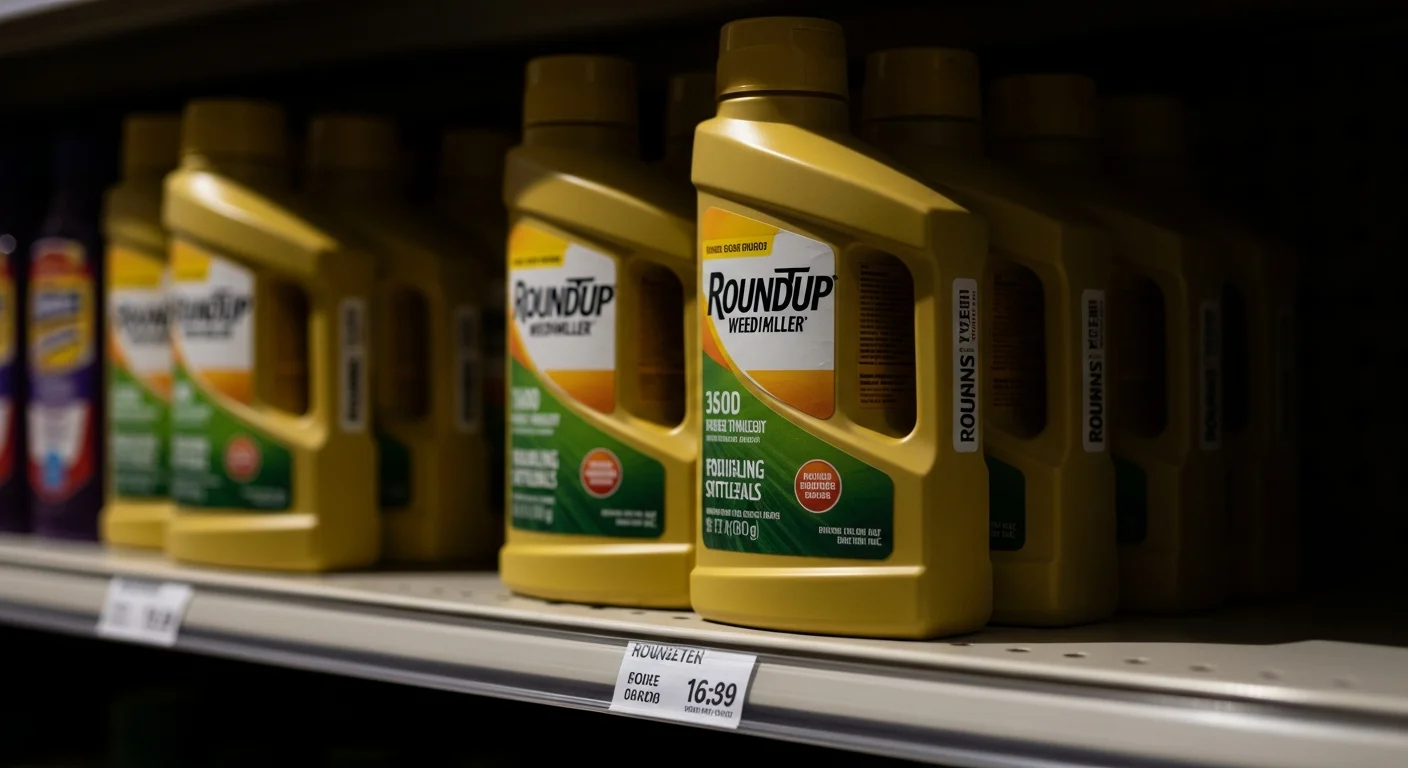
Monsanto Settles $2.1 Billion Roundup Verdict in Georgia Case
Overview
Bayer AG, which acquired Monsanto in 20181, has reached a significant settlement in a Georgia Roundup cancer case that originally resulted in a substantial jury verdict. This settlement represents another major development in the ongoing mass tort litigation surrounding Roundup weedkiller and its alleged link to non-Hodgkin's lymphoma.
Background on the Georgia Case
The Georgia case involved plaintiffs who developed non-Hodgkin's lymphoma after using Roundup weedkiller. The case resulted in a substantial jury verdict2, finding that Monsanto failed to warn users about the cancer risks associated with glyphosate, Roundup's active ingredient.
Key details of the original verdict:
- Substantial monetary award
- Found Monsanto liable for failure to warn
- Part of thousands of similar cases nationwide
- Verdict was under appeal when settlement was reached
Impact on Roundup Litigation
This settlement adds to Bayer's mounting legal costs related to Roundup litigation. Since acquiring Monsanto, Bayer has:
- Set aside over $16 billion for Roundup settlements and legal costs3
- Settled approximately 107,000 cases as of 20233
- Faced continued new filings despite settlement efforts
- Announced plans to remove glyphosate from residential Roundup products by 20233
Scientific Concerns and Regulatory Actions
The litigation stems from a 2015 World Health Organization classification that labeled glyphosate as "probably carcinogenic to humans"4. Key scientific developments include:
- Multiple epidemiological studies suggesting links between glyphosate exposure and non-Hodgkin's lymphoma
- Continued regulatory approval by the EPA, which maintains glyphosate is safe when used as directed5
- Ongoing scientific debate about cancer risks
- Internal Monsanto documents revealed during litigation raising questions about the company's safety research
What This Means for Potential Claimants
Despite Bayer's extensive settlement program, new cases continue to be filed. Individuals who may have valid claims typically include those who:
- Used Roundup regularly for residential, agricultural, or occupational purposes
- Were diagnosed with non-Hodgkin's lymphoma after significant Roundup exposure
- Can demonstrate a timeline connecting their exposure to their diagnosis
- Have medical records supporting their cancer diagnosis
Current Status of Roundup Litigation
While Bayer has settled the majority of existing cases, the company continues to face new lawsuits. Important considerations:
- Settlement amounts vary significantly based on individual case factors
- Statute of limitations may affect eligibility to file new claims
- Each state has different deadlines for filing lawsuits
- Early case evaluation is crucial for preserving legal rights
Next Steps for Affected Individuals
If you or a loved one developed non-Hodgkin's lymphoma after using Roundup, time may be limited to pursue legal action. The settlement landscape continues to evolve, and new developments may affect the value and viability of claims.
Contact an experienced mass tort attorney today for a free case evaluation to understand your legal options and ensure your rights are protected. Legal professionals can help determine if you have a valid claim and guide you through the complex litigation process.
References:
1 Bayer AG SEC Filings - Monsanto acquisition completion and related financial disclosures
2 Court Records and Legal News Reports - Jury verdicts and case outcomes in Roundup litigation
3 Bayer AG Press Releases and Annual Reports - Settlement fund amounts, case statistics, and product reformulation plans
4 IARC Monographs Volume 112 - WHO International Agency for Research on Cancer glyphosate classification
5 EPA Glyphosate Registration Review - EPA safety assessment and regulatory position on glyphosate
Do you have a claim?
Contact our legal team for a free, confidential case evaluation.
Get Free Case Review