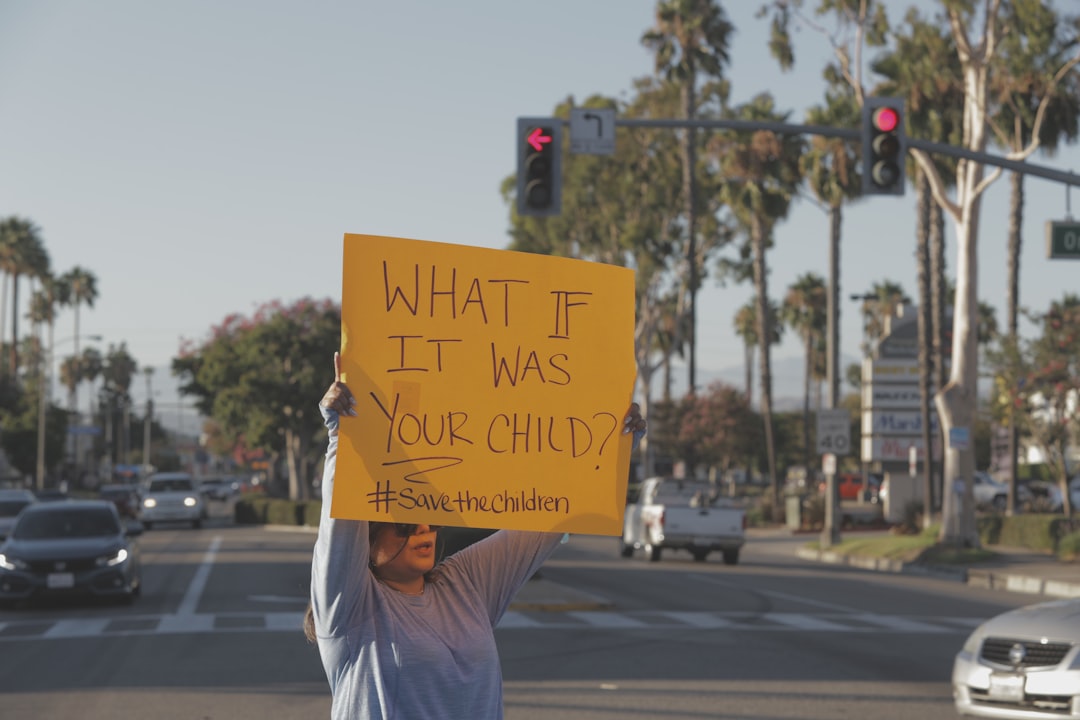
NYC Foster Care Abuse Lawsuits: File a Claim Today
Former NYC foster care children may be entitled to compensation for abuse suffered in the system.
NYC Foster Care Abuse Lawsuits: What Survivors Need to Know
Thousands of children placed in New York City's foster care system were supposed to be protected. Instead, many suffered physical, sexual, and emotional abuse at the hands of foster parents, group home staff, and institutional caregivers — while the city agency responsible for their safety, the Administration for Children's Services (ACS), failed to act.
If you or a loved one suffered abuse while in NYC foster care, you may have the right to pursue significant financial compensation. Recent changes in New York law have opened historic windows for survivors to finally seek justice.
Overview: A Broken System with a Long History of Failures
New York City's foster care system oversees tens of thousands of children at any given time. While many placements are safe, systemic failures have allowed abuse to persist across decades. Investigations by the New York City Department of Investigation (DOI), media outlets, and advocacy groups have documented widespread neglect, abuse, and cover-ups within foster homes and residential facilities contracted by ACS.
The New York City Administration for Children's Services (ACS) has been repeatedly criticized by courts, oversight agencies, and child welfare advocates for:
- Inadequate background checks on foster parents and group home employees
- Failure to investigate abuse reports filed by or on behalf of children
- Retaliating against whistleblowers who reported misconduct
- Returning children to known abusive placements
- Chronic understaffing of caseworkers leading to missed warning signs
Key Facts About NYC Foster Care Abuse Litigation
- Over 40,000 children are in New York City's child welfare system at any given time, making it one of the largest in the nation.
- New York's Child Victims Act (CVA), signed into law in 2019, eliminated the statute of limitations for certain childhood sexual abuse claims and opened a one-year lookback window that has since been extended.
- New York's Adult Survivors Act (ASA), effective November 2022 through November 2023, allowed adult survivors of sexual abuse to file civil claims regardless of when the abuse occurred.
- ACS and its contracted agencies — including residential group homes and foster care organizations — have faced hundreds of civil lawsuits alleging negligent supervision and enabling of abuse.
- The City of New York has paid out over $300 million in settlements related to child abuse and foster care failures since 2010, according to city comptroller records.
- Notable cases include lawsuits against SCO Family of Services, Abbott House, Cardinal McCloskey Community Services, and other ACS-contracted agencies.
- A 2021 DOI report found that ACS failed to adequately investigate thousands of abuse complaints, leaving children in dangerous placements.
Who Qualifies to File an NYC Foster Care Abuse Claim?
You may be eligible to file a lawsuit if:
- You were placed in NYC foster care at any point in your childhood or adolescence
- You experienced physical, sexual, or emotional abuse while in a foster home, group home, or residential facility
- Your abuse was committed by a foster parent, staff member, another resident, or institutional caregiver
- ACS or the supervising agency knew or should have known about the abuse and failed to act
- You are now an adult and were previously barred by the statute of limitations from filing a claim
Family members of deceased survivors may also have standing to file on behalf of their loved ones in certain circumstances. Even if you reported the abuse at the time and nothing was done, you may still have a viable claim.
Evidence of Systemic Negligence
Courts and investigators have found substantial evidence that New York City and its contracted agencies created the conditions for abuse to occur and persist. Key findings include:
- Caseworker caseloads frequently exceeded safe limits, with some workers responsible for 30–50 children at a time — far above recommended standards.
- Background checks for foster parents and residential staff were inconsistently performed or ignored red flags.
- Abuse hotline reports involving foster homes were often downgraded or closed without proper investigation.
- Multiple facilities lost their licenses or were shut down by the state after abuse findings — but only after years of confirmed incidents.
- Court-appointed monitors in several ACS oversight cases have documented repeat failures to implement court-ordered reforms.
Recent Developments in NYC Foster Care Abuse Cases
Litigation against ACS and its partner agencies has accelerated significantly since 2019. Key developments include:
- 2022–2023: Dozens of new lawsuits were filed under the Adult Survivors Act window, many involving group home sexual abuse by staff members.
- 2023: New York state legislators introduced proposals to further extend the Child Victims Act lookback window, which advocates say is necessary given how many survivors have yet to come forward.
- Ongoing investigations by the NYC Department of Investigation continue to examine ACS oversight failures at specific facilities.
- Several multi-million dollar confidential settlements have been reached with survivors represented by New York plaintiffs' firms specializing in institutional abuse.
- Courts have increasingly allowed respondeat superior and negligent supervision theories to proceed against the city, expanding potential liability.
Potential Compensation for Foster Care Abuse Survivors
Survivors of NYC foster care abuse may be entitled to compensation for:
- Past and future medical expenses, including mental health treatment and therapy
- Lost wages and diminished earning capacity
- Pain and suffering, including emotional distress, PTSD, depression, and anxiety
- Loss of enjoyment of life
- Punitive damages in cases of egregious or willful misconduct
Settlement amounts vary widely based on the severity and duration of the abuse, the age of the victim, the strength of the evidence, and the number of responsible parties. Individual settlements in comparable cases have ranged from $50,000 to over $2 million, with some exceptional cases resulting in even higher awards at trial.
How to File a NYC Foster Care Abuse Lawsuit
Filing a claim is confidential, and most attorneys handle these cases on a contingency fee basis — meaning you pay nothing unless you recover compensation. Here's what to expect:
- Free Consultation: Speak with an attorney who specializes in institutional abuse and child welfare litigation.
- Case Evaluation: Your attorney will review records, identify responsible parties, and assess the strength of your claim.
- Gather Evidence: This may include ACS case files, medical records, therapy records, witness statements, and investigative reports.
- File Your Claim: Your attorney will file a Notice of Claim against the city and/or a lawsuit against private agencies within the applicable deadlines.
- Negotiation or Trial: Many cases settle before trial, but experienced attorneys will be prepared to litigate aggressively if necessary.
Time is critical. Statutory deadlines for foster care abuse claims are complex and vary depending on the type of abuse, the year it occurred, and which laws apply. Do not wait.
Frequently Asked Questions
What is the statute of limitations for NYC foster care abuse claims?
New York's Child Victims Act eliminated the statute of limitations for childhood sexual abuse civil claims and created a lookback window for older cases. For non-sexual physical abuse, limitations periods vary. Because laws have changed significantly in recent years, you should consult an attorney as soon as possible to determine your eligibility.
Can I file a claim if the abuse happened decades ago?
Yes. The Child Victims Act and Adult Survivors Act were specifically designed to allow survivors to come forward regardless of how long ago the abuse occurred. Many people filing today experienced abuse in the 1970s, 1980s, 1990s, and 2000s.
What if I don't have documentation of my time in foster care?
You may still have a valid claim. Attorneys experienced in these cases know how to obtain ACS records, placement histories, and other documentation through the legal discovery process. Your memory and testimony are a starting point.
Who can be held liable for foster care abuse in NYC?
Potentially liable parties include the City of New York (through ACS), private foster care agencies contracted by the city, individual foster parents, and group home or residential facility operators and staff.
Is this process confidential?
Yes. Legal proceedings can often be handled with significant confidentiality protections, and settlements typically include confidentiality agreements. Your attorney will explain your privacy options during the consultation.
Take Action: Speak With a Foster Care Abuse Attorney Today
If you suffered abuse in New York City's foster care system, you are not alone — and you deserve justice. The city and its agencies had a legal duty to protect you, and if they failed, they must be held accountable.
Contact our legal team today for a free, confidential consultation. There is no cost to speak with an attorney, and you pay nothing unless we win your case. Deadlines may be approaching — don't wait to get the answers and compensation you deserve.
Time May Be Limited
Filing deadlines may apply. Don't wait to find out if you qualify for compensation.
Get Your Free Case Review
Find out if you qualify for compensation. No upfront costs.
See If You Qualify